Swamp Milkweed
[description action="start"]
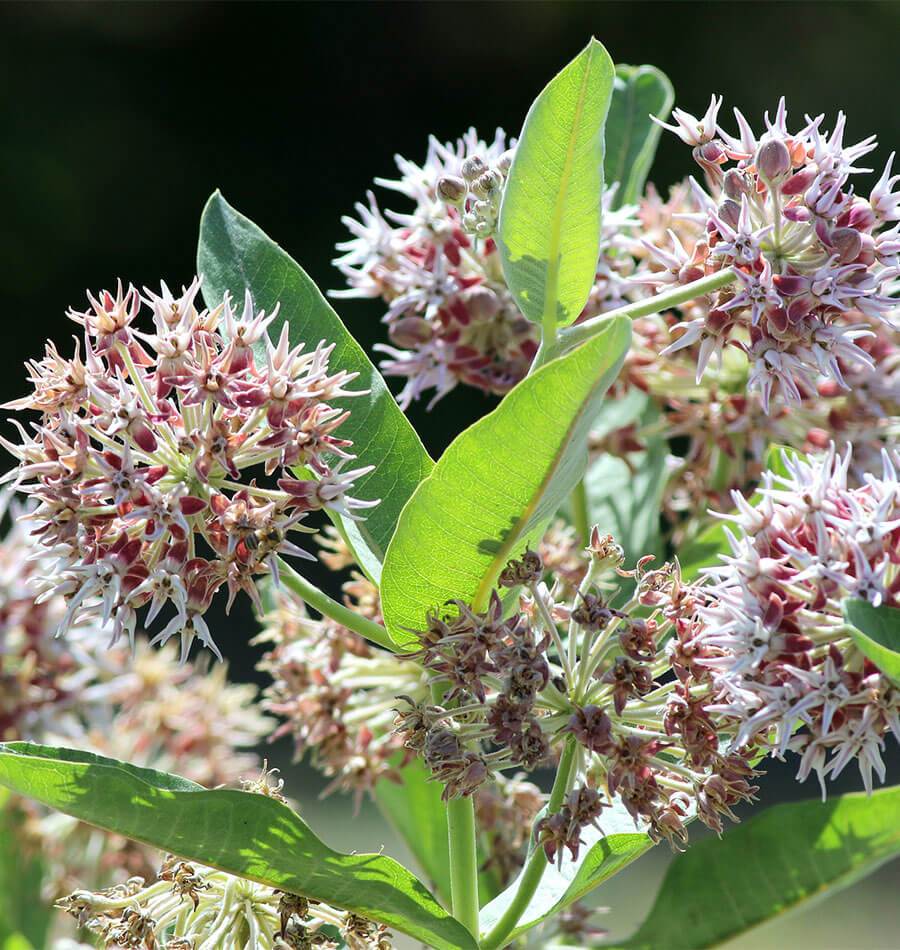
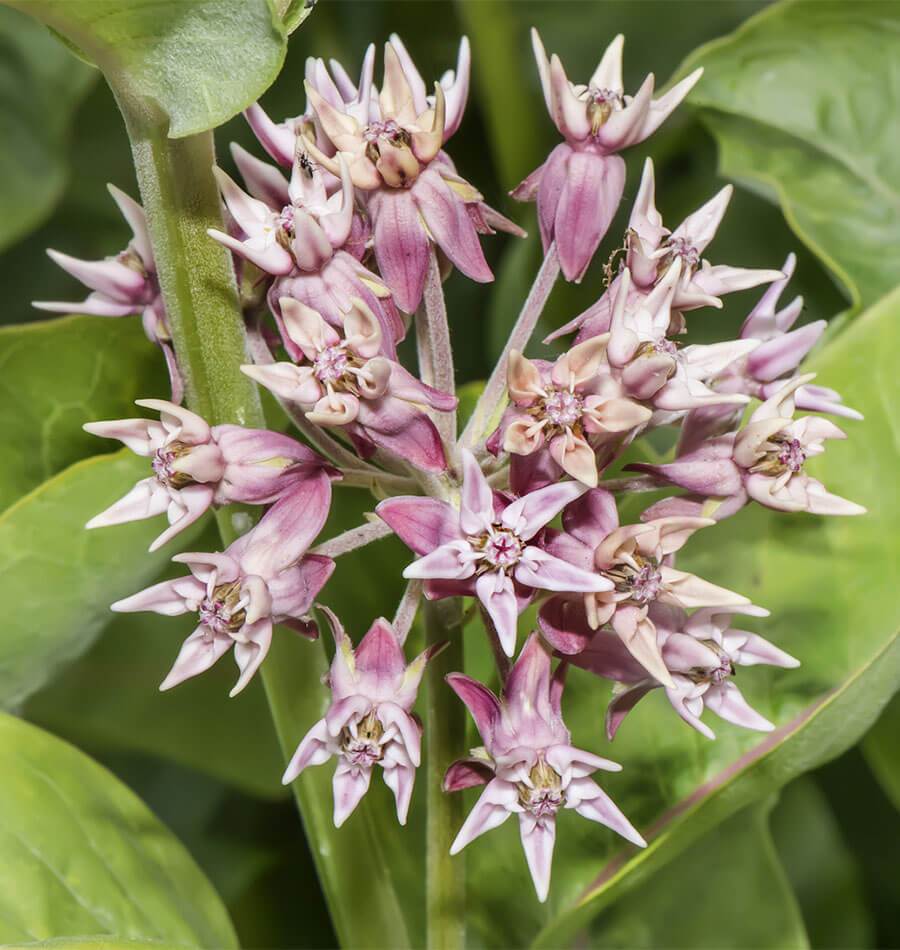
Asclepias incarnata. Swamp Milkweed begins to grow from a thick, fleshy root later in spring than many other plants. Narrow, strap-like leaves emerge, forming a clump of foliage. Then, from mid-spring to late summer, umbels of fragrant, pink to mauve flowers appear that are so generous with nectar that they attract butterflies and important pollinators of all kinds. The roots of this plant have evolved to thrive in low oxygen environments, including the wet soil found around lakes and streams. The plants can reach 2m (6') in height, and will grow in full sun to partial shade. It is hardy to Zone 3.
The fibrous stem husks can also be used by some birds, like the American Goldfinch, to line their nests.
Perennial.
[description action="end"]
[quickfacts action="start quickfacts"]
- Food plant for the Monarch butterfly
- Attracts and feeds other pollinators
- Full sun to partial shade
- Hardy to Zone 3
[quickfacts action="end quickfacts"]
Original: $3.29
-65%$3.29
$1.15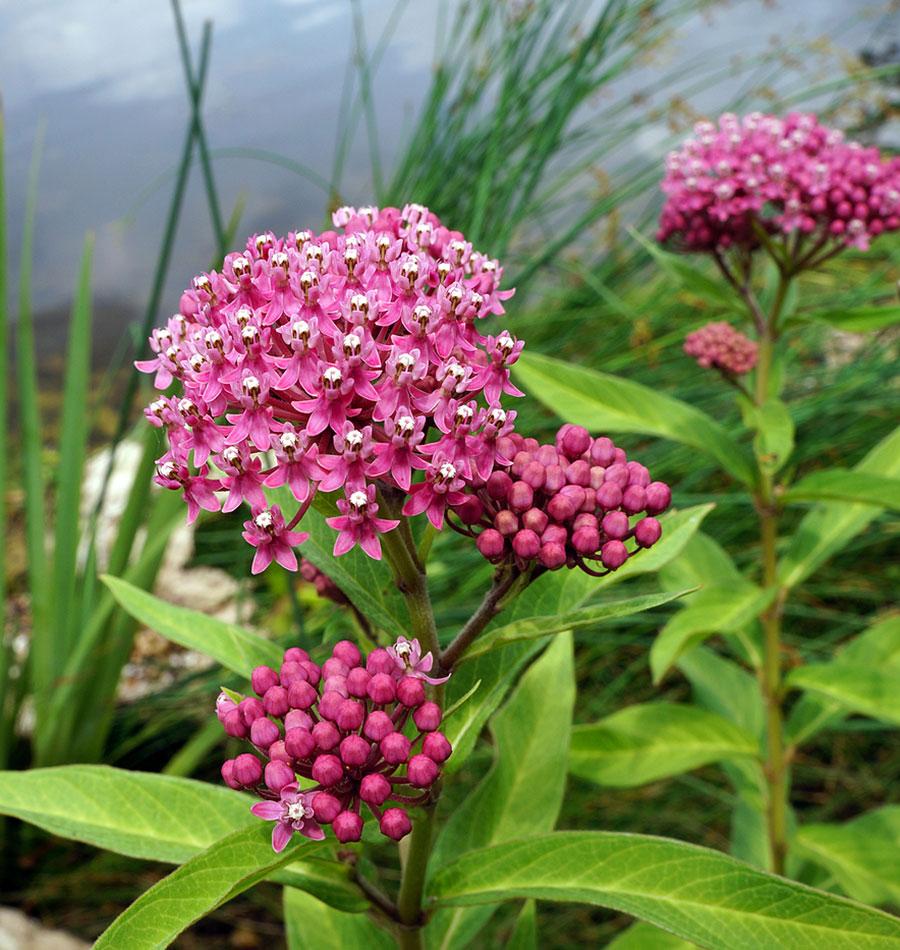
Description
[description action="start"]
Asclepias incarnata. Swamp Milkweed begins to grow from a thick, fleshy root later in spring than many other plants. Narrow, strap-like leaves emerge, forming a clump of foliage. Then, from mid-spring to late summer, umbels of fragrant, pink to mauve flowers appear that are so generous with nectar that they attract butterflies and important pollinators of all kinds. The roots of this plant have evolved to thrive in low oxygen environments, including the wet soil found around lakes and streams. The plants can reach 2m (6') in height, and will grow in full sun to partial shade. It is hardy to Zone 3.
The fibrous stem husks can also be used by some birds, like the American Goldfinch, to line their nests.
Perennial.
[description action="end"]
[quickfacts action="start quickfacts"]
- Food plant for the Monarch butterfly
- Attracts and feeds other pollinators
- Full sun to partial shade
- Hardy to Zone 3
[quickfacts action="end quickfacts"]